Blog
How we operate big events
29.09.2026
Robin Volkmar
A large production has many parts that can fail.
- You control: the schedule, the venue and the headliner.
- Little impact: the quality of the crew you book.
You can provide all necessary information, ask for the right skillset and qualifications, but in the end, it is up to the provider who they will send. And whether the crew arrives on time, with valid licences, in the right PPE, and still works properly on day three, is out of your control.
That part is ours. We do not solve it with promises. We solve it with procedures.
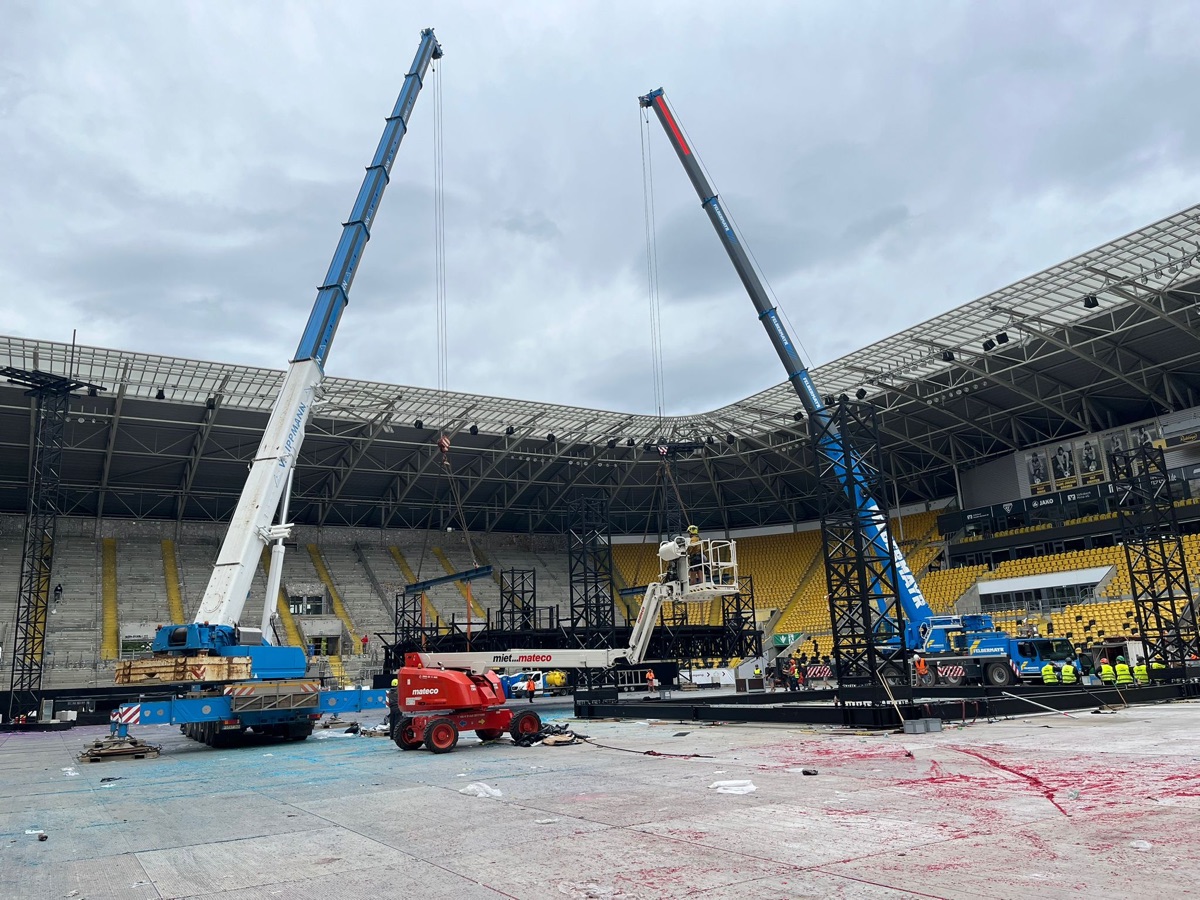
Here is the full process behind every crew we send you.
01 – Who gets on the job
Two-stage recruitment. Every technician goes through a technical survey and then a phone interview with our technical verifier. The interview checks real theory and practice, not declarations on a profile.
Certificates, not claims. When needed we assign people with documented qualifications: IPAF/UDT for forklifts and mobile platforms, SEP for electrical work, and SQQ for rigging.
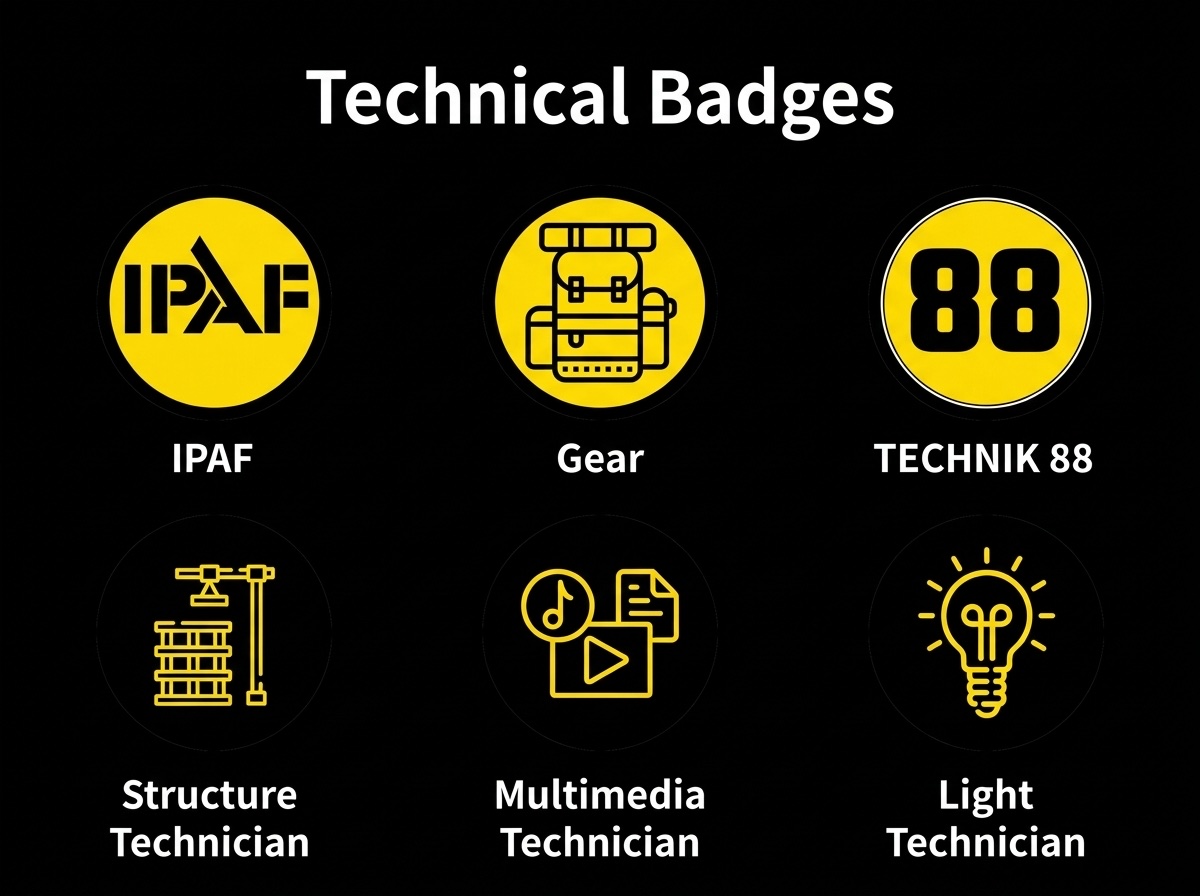
Rating system. Experience is a number in Sinch, our crewing system, not an opinion. Ratings like 40 or 80+ and the badges below tell our project managers what a person can handle and how experienced they are, so we build the crew with the right mix of skills and seniority.
Accountability. Our no-show rate is 0.4%. If a technician cancels a confirmed shift after the deadline, a backup technician fills the role. The person who cancelled faces financial and contractual consequences. False information about qualifications ends the cooperation immediately.
The result for you: the person who walks onto your site is the person we described in the offer.
02 – What happens before travel day
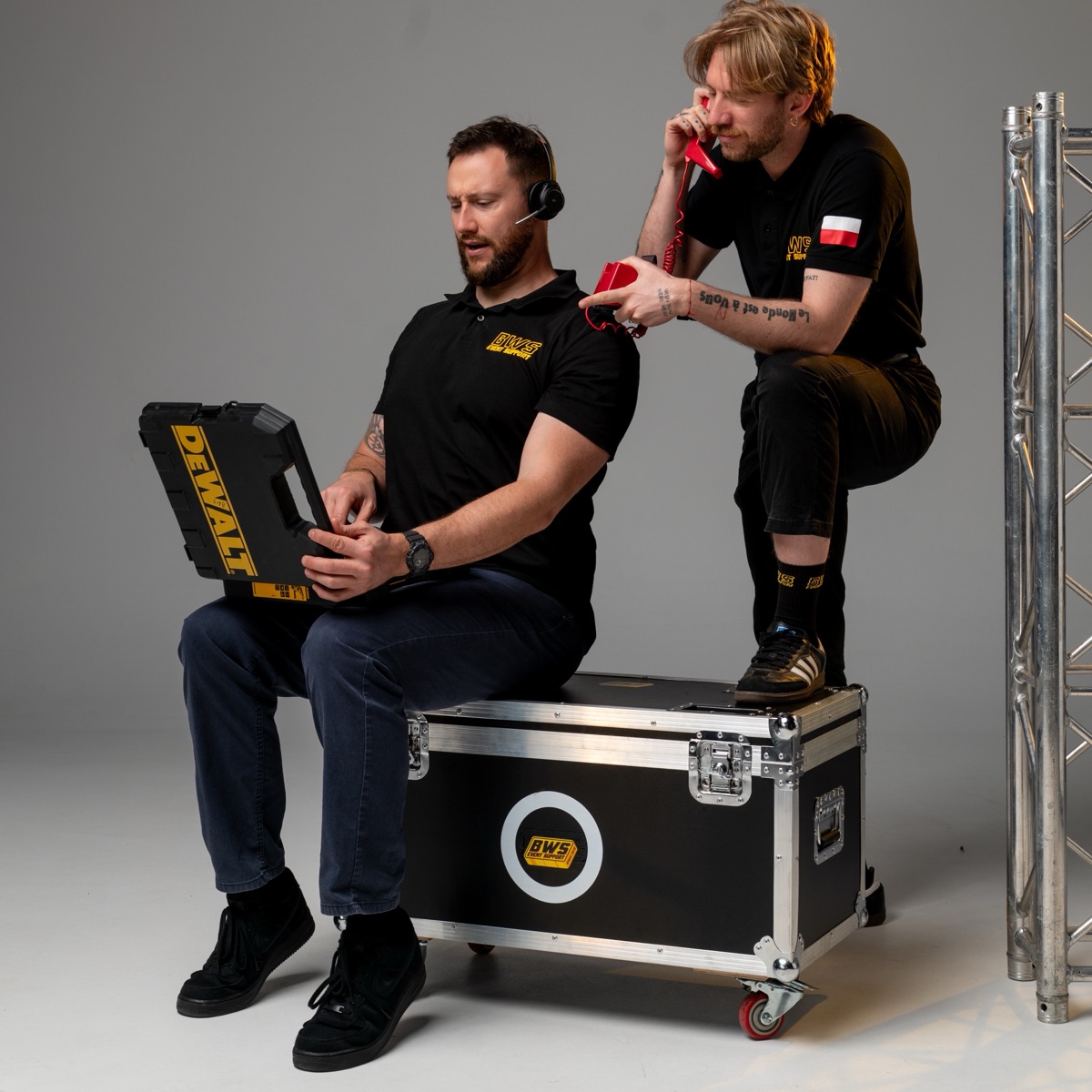
Every project, in Poland and abroad, goes through the same checklist.
- Days are split in advance: travel days, work days, rest days. No surprise charges because somebody forgot to count the drive.
- Site conditions are confirmed: indoor or outdoor, dresscode, whether the job includes lifting above 25 kg, and all essential details.
- Crew briefing before departure. The team receives your technical drawings, venue plans, instructions, and the name and number of your site manager.
A crew that arrives already briefed starts working. A crew that arrives blind waits for someone to explain the job.
03 – Getting the crew across the border legally and comfortably
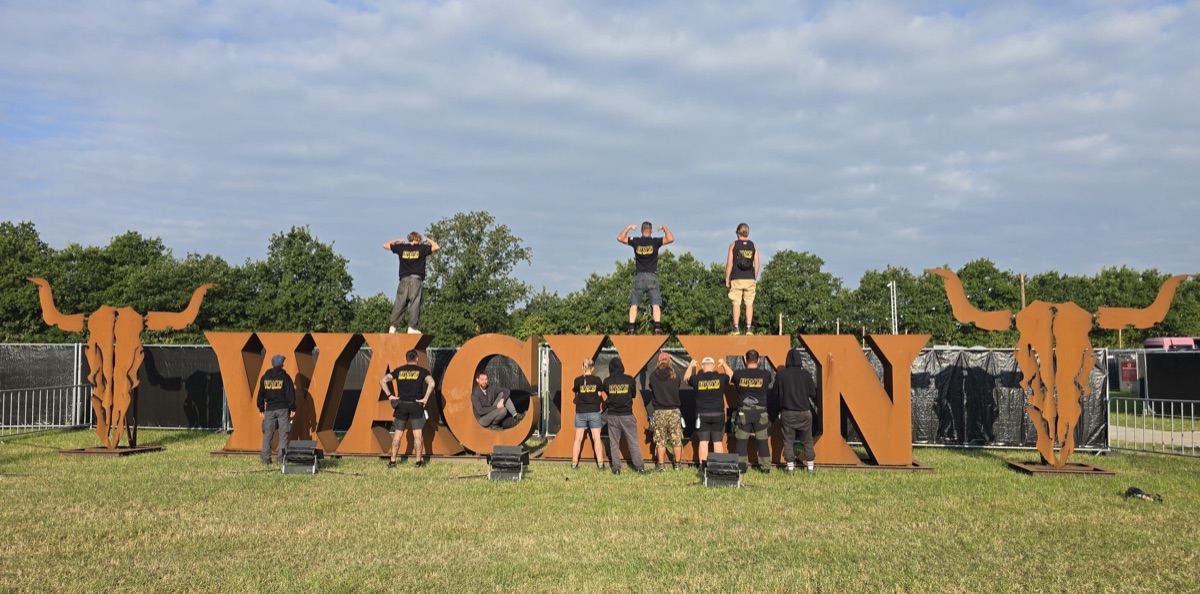
Accommodation standard. We book hotels rated minimum 7.0 on Booking.com. Two or three people per room, always with separate beds. A crew that sleeps badly on night one is slower on day three.
Transport. Crews travel in our own fleet or in long term rental vehicles with assigned drivers. When needed or more efficient, we send the crew by plane.
Legal employment abroad. We verify a valid A1 certificate for every crew member on the job. Registrations with foreign authorities, such as the German Zoll, are generated automatically seven days before the crew travels.
This is the part that stops productions. A crew without legal documentation during a compliance check costs you dearly — maybe even your event. We file the paperwork before anyone gets in the van.
04 – What the crew brings on site
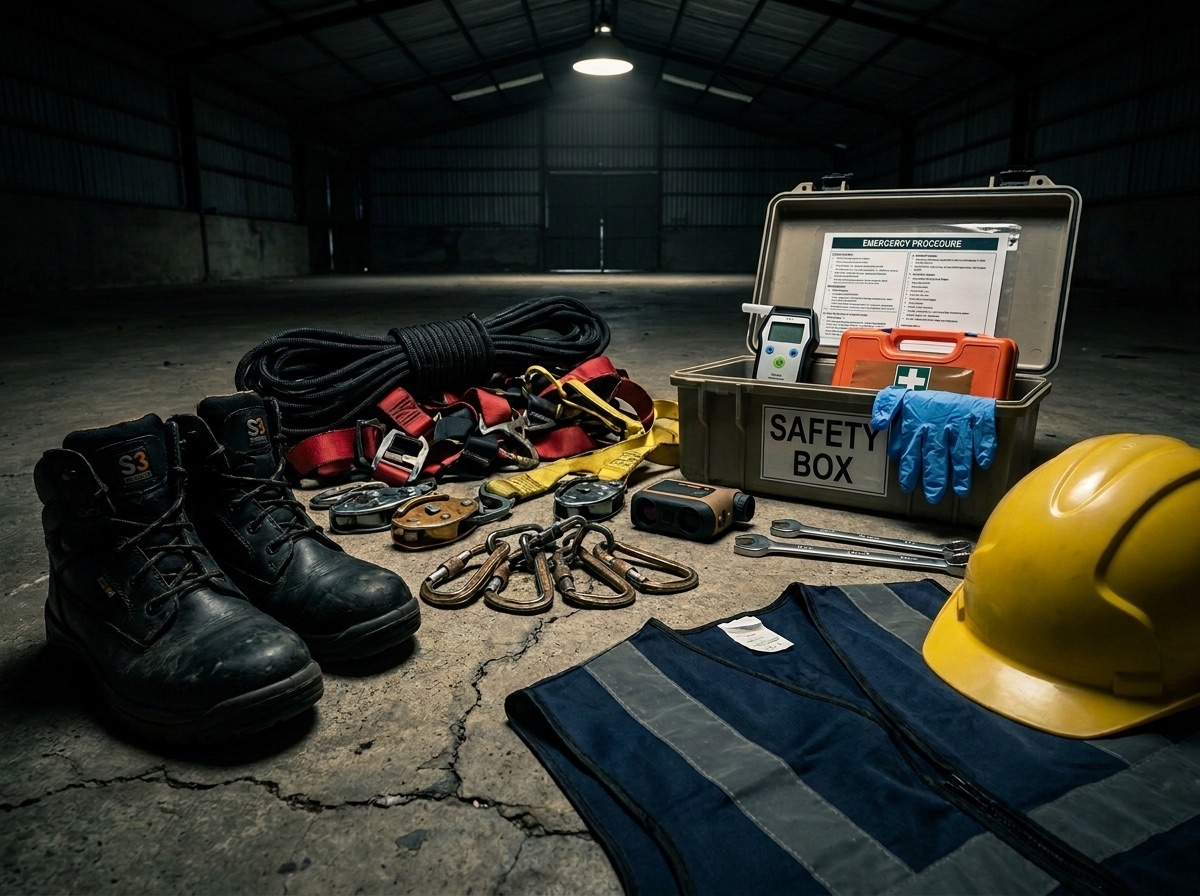
PPE. The whole team works in S3 safety shoes, helmets and BWS vests.
Certified height equipment. Riggers, scaffolders and technicians working at height carry a full personal set: harness, lanyards, ropes, GriGri, minimum six carabiners, rangefinder, 17 and 24 spanners, helmet, vests, and S3 boots.
Safety box. Every travelling team carries a breathalyser, and a sealed box with a first aid kit, nitrile gloves and a written emergency procedure.
Sobriety and breaks. The crew chief runs a breathalyser test before every shift, with no exceptions. Breaks are scheduled centrally for the whole team, and together with the client, so nobody leaves their position alone.
05 – Hours, gear and invoice

Time records. After every shift the crew chief logs the hours actually worked, overtime, and the number of meals provided. If catering is not available, a meal allowance is added per meal.
Gear and fleet return. Tools and equipment are returned and verified at our main warehouses in Krakow or Warsaw. Vehicles are checked for their condition.
Feedback in the system. Notes on how the job went, and a rating for each person, go into our database. That is how the rating in point one stays accurate.
Billing. The final invoice is issued after you confirm the summary. We ask about billing remarks before invoicing, not after.
Why this matters
None of this is unusual on paper. The difference is that it runs on every project, national and international, in the same order, with the same checklist.
We want to be the crew you book not because we promise the most, but because we fail the least.
Planning a large production? Book a call, the contact details are right below this article.
If you want to stay up to date with what is happening at BWS, subscribe to our newsletter below.